Microplastics and nanoplastics impair mitochondrial function and accelerate cardiovascular diseases
Article: Microplastics and nanoplastics (MNPs) are now ubiquitous in our environment and pose a growing threat to human health. Recent studies reveal their presence in various human tissues, including the cardiovascular system, where they contribute to disease development through profound disruption of mitochondrial function. These particles, resulting from the degradation of plastic waste, disrupt the energy balance of cardiac cells, promote oxidative stress, and trigger inflammatory and degenerative mechanisms.
MNPs, smaller than 5 mm for microplastics and 1 µm for nanoplastics, easily penetrate biological barriers and accumulate in organs. Their toxicity depends on several factors: their size, concentration, chemical composition, and ability to adsorb other pollutants. The smallest particles, especially those under 20 µm, cross epithelia and reach the bloodstream, directly interacting with vascular cells and cardiomyocytes. Their surface, often irregular or electrically charged, worsens cellular damage by promoting the production of free radicals and disrupting mitochondrial membranes.
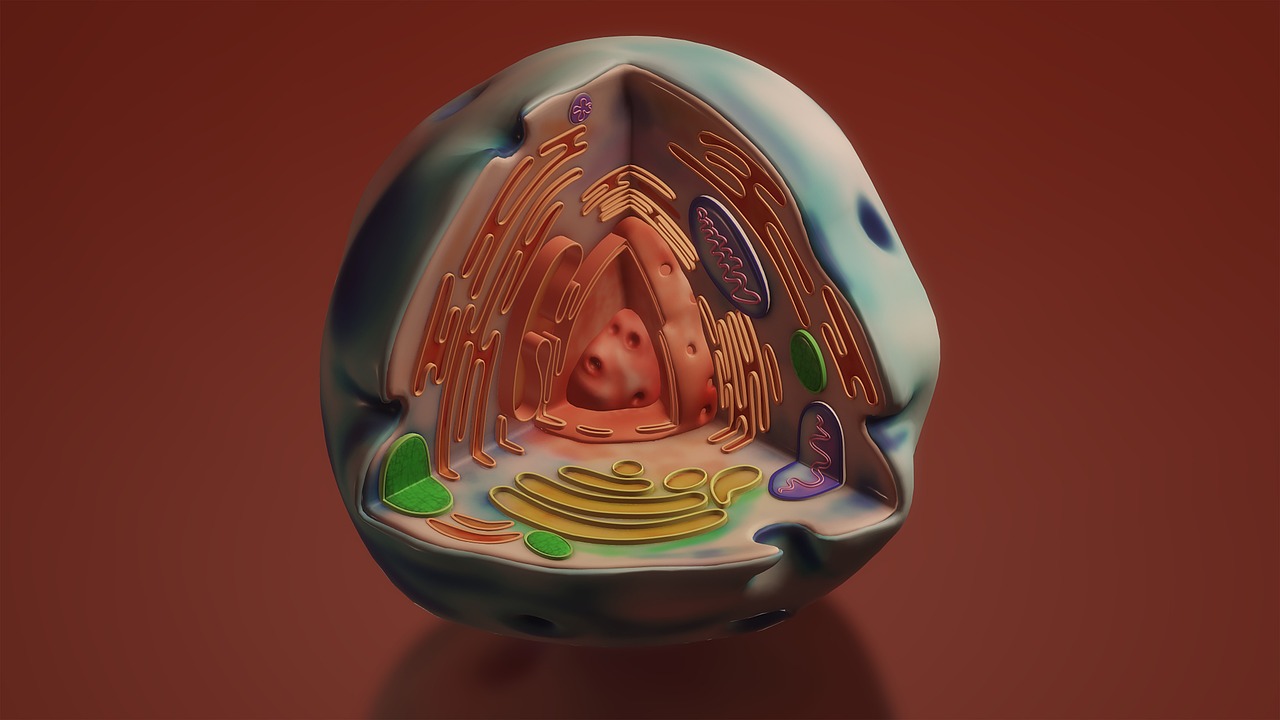
At the heart of cardiac cells, mitochondria play a central role in energy production, redox regulation, and calcium homeostasis. MNPs disrupt these processes by inducing calcium overload, mitochondrial membrane depolarization, and decreased ATP production. These dysfunctions lead to increased oxidative stress, mitochondrial DNA instability, and chronic inflammation. Cardiomyocytes, which are particularly rich in mitochondria, thus become vulnerable to apoptosis, fibrosis, and heart failure.
MNPs also activate pro-inflammatory signaling pathways, such as the cGAS-STING pathway, which amplifies the immune response and accelerates cellular aging. They promote the formation of foam cells, endothelial dysfunction, and the progression of atherosclerosis. Clinical studies have detected MNPs in 58% of advanced carotid plaques, associated with an increased risk of myocardial infarction and stroke.
The effects of MNPs vary by sex. Women, due to superior mitochondrial antioxidant capacity and the protective effect of estrogens, appear less sensitive to their toxic effects than men. However, prenatal or early exposure to MNPs can induce cardiac abnormalities in offspring, highlighting their transgenerational impact.
In response to this threat, therapeutic strategies targeting mitochondrial protection, such as the use of specific antioxidants, are under investigation. Nevertheless, prevention remains essential: reducing plastic pollution, standardizing risk assessment methods, and raising public awareness are priorities to limit the cardiovascular impact of these emerging pollutants. Understanding the underlying molecular mechanisms paves the way for targeted interventions, but collective and urgent action is needed to mitigate the health consequences of this invisible pollution.
Bibliographie
Source de l’étude
DOI : https://doi.org/10.1007/s00204-026-04327-w
Titre : Microplastics induce mitochondrial dysfunction and accelerate cardiovascular pathogenesis
Revue : Archives of Toxicology
Éditeur : Springer Science and Business Media LLC
Auteurs : Tsung-Hsien Chen; I.-Tseng Chu; Rei-Yeuh Chang; Hsiang-Chen Wang; Chi-Jung Chung; Tzu-Hsien Tsai; Chu-Kuang Chou
Source de l’image
Source de l’image non disponible